



Detox teas and supplements have turned the liver into a wellness trend. The catch is, the liver detoxes just fine on its own and, as a master multitasker, does hundreds more functions while it’s at it. Not only does your liver filter toxins and medications from your blood and make bile, it also stores nutrients, regulates your blood sugar, helps turn the food you eat into energy, and even plays a role in helping you stop bleeding from a cut.
Consider this your guided tour of the liver, from the surprising jobs it handles every day to the habits that support it and the proactive tools that can help you track its health over time. Because an organ that does this much is worth getting to know.
Related: How you could potentially fix what a whole body scan may find
So, how does the liver detox the body?
The liver sits at a crossroads between digestion and circulation, where it processes nutrients and substances absorbed from the digestive tract or carried through the bloodstream.
At roughly three to four pounds, the liver is the body’s largest solid internal organ and sits in the upper right side of the abdomen. It receives nutrient-rich blood from the intestines through the portal vein and oxygen-rich blood from the heart through the hepatic artery. The liver processes nutrients, medications and substances such as alcohol, storing some nutrients and transforming other compounds. Many medications are metabolized in the liver, and their byproducts may undergo further processing before leaving the body through the kidneys or intestines.
Processing alcohol is perhaps the most familiar example of the liver at work, since the liver handles the vast majority of alcohol breakdown in the body. When ethanol reaches the liver, an enzyme called alcohol dehydrogenase converts it into acetaldehyde, a toxic, cancer-causing metabolite (small molecule produced, used, or broken down during metabolism). Another enzyme converts acetaldehyde into a form of acetic acid, the compound that gives vinegar its sour taste. The body produces acetate when it breaks down alcohol and can use it as a source of energy before breaking it down further into carbon dioxide and water.
Do you need to detox your liver?
No. Aside from living a lifestyle that supports your liver health, you do not need to do anything extra to detox your liver. Your liver—and its supporting cast of digestive organs—has it under control with a tightly regulated system for processing substances and their byproducts and removing what you don’t need from your body.
Products marketed as a liver detox, such as supplements, extracts, or teas, are both unregulated and scientifically unproven—yet they bring in nearly $40 million per year with promises to eliminate toxins or enhance liver function.
Some supplements may even injure the liver. A review of U.S. research data estimated that herbal and dietary supplements account for about 20% of hepatotoxicity cases. Case reports have linked multi-ingredient liver detox products to liver injury, and turmeric, a common ingredient in these products, is a well-documented but rare cause of clinically apparent liver injury.
Related: What supplements could be doing in your body
5 jobs your liver does beyond “detoxing”
Your liver is your body’s largest solid internal organ and performs more than 500 functions. The five below show how its work supports energy, digestion, nutrient storage and blood chemistry:
It helps turn food into energy
Dietary carbohydrates are broken down into simple sugars (mainly glucose) by enzymes in the mouth, pancreas, and small intestine. By the time nutrients reach the liver via the portal vein, those carbs have largely been reduced to glucose. The liver then takes up excess glucose and stores it as glycogen, releasing glucose back into the blood between meals and during periods of fasting. This glucose provides you with on-demand energy for the tissues—like in your brain—that need it.
It helps regulate your blood sugar
The liver stores some glucose as glycogen, a way to stockpile fuel for when you need it later—it breaks down the glycogen and releases glucose into your bloodstream to help maintain blood sugar levels between meals, during exercise, and overnight. This helps maintain a continuous energy supply even when you’re not actively eating and, by the time you wake up, you’ve reduced your glycogen stores, though they aren’t fully depleted. Glycogen stores are then partially replenished with each carbohydrate-containing meal.
It helps you digest fat
The liver produces bile, a digestive fluid that helps your body digest fat and absorb fat-soluble vitamins. Bile is stored in the gallbladder and released into the small intestine, where it disperses fat into tiny droplets so digestive enzymes can work on it more easily. Cells lining your small intestine then absorb the digested fat and vitamins.
It stores important nutrients
Your liver stores several fat-soluble vitamins, especially vitamin A, along with vitamin B12 and minerals such as iron and copper. Some vitamins D, E, and K are also stored there, though vitamin D is stored mainly in fat tissue and skeletal muscle. Your body processes vitamin K relatively quickly, so its reserves are smaller than those of other fat-soluble vitamins. These nutrient stores help supply your body when you’re getting less from food.
It helps your body process and produce proteins
Protein can shapeshift as the liver takes amino acids (the building blocks of proteins) from food and turns it into energy or uses it to make carbohydrates or fat. This process produces another toxin called ammonia. Ever the detox organ, the liver steps in—converting ammonia to urea, then sending it out into the blood where kidneys pick it up so it can leave the body via urine.
Beyond dietary protein, your liver also produces important proteins that aid in blood clotting and wound healing (called fibrinogen) and maintain fluid balance (albumin).

What can affect liver health and how is it evaluated?
Liver disease is not just caused by heavy alcohol use. Viral hepatitis infection, autoimmune conditions, liver toxicity from medications or supplements, fatty liver disease called MASLD and MASH, and other causes can lead to liver disease.
Your liver is a resilient organ and as such, some liver conditions can develop gradually and may cause few or no symptoms in their early stages. In cirrhosis, symptoms may not appear until the liver is badly damaged. Once you experience symptoms like jaundice, strange digestive changes like abnormally dark urine or clay-colored stool, or unexplained weight loss, damage may be advanced.
MASLD (metabolic dysfunction-associated steatotic liver disease) is particularly common, affecting one in four people in the U.S. In an internal Prenuvo analysis of 83,846 women, one in 10 had signs of fatty liver disease.
Since you won’t necessarily know if something is wrong with your liver, it’s best to check in on it from time to time. Your doctor can assess liver function and risk by talking to you about your health habits, family and personal medical history, bloodwork, as well as testing.
Tests that can help assess liver health:
Imaging: MRI can help track changes in liver structure and signs of excess liver fat, fibrosis, or cirrhosis.
Body composition: Prenuvo’s Body Composition Analysis can add measurements of liver fat, liver volume (a sign of enlarged liver), and visceral fat for a more detailed picture.
Bloodwork: Prenuvo’s Core, Comprehensive and Executive Panels includes markers that assess the liver’s synthetic function, including albumin and bilirubin. As well as markers that indicate liver injury, like ALT and AST.
While these screenings don’t replace medical evaluation by your doctor, they can be a helpful part of a proactive plan to stay on top of your liver and overall health. Your body data can support conversations with your healthcare provider to set up next steps and a plan.
How can you support healthy liver function?
Like many parts of your body, your liver responds well to a healthy lifestyle. In these guidelines you won’t find anything about supplements, one specific food, or a tea you need to buy. Here’s what research shows is actually helpful:
- If you have MASLD and are considered overweight or obese, work with your clinician on an individualized plan. Losing about 5% of body weight (3-5% if you are not overweight) can reduce liver fat, while 7-10% or more is generally needed to improve liver inflammation and scarring (fibrosis).
- Avoid abdominal obesity (>40 inches for men and >35 inches for women)
- Opt for a heart-healthy nutrient-rich diet, such as a Mediterranean-style diet full of vegetables, fruit, whole grains, legumes, nuts, fish and unsaturated fats. Limit sugar-sweetened drinks, highly refined carbohydrates, processed meats and foods high in saturated fat.
- Exercise regularly. Build regular aerobic and resistance activity into your week. For adults with MASLD, at least 150 minutes of moderate activity weekly, or 75 minutes of vigorous activity, plus resistance activities two to three times per week can be a useful target when medically appropriate.
- Avoid or limit alcohol consumption
- Do not smoke
- Use acetaminophen safely. Check the active ingredients in pain relievers, cough and cold products, sleep aids and prescription medicines so you do not take two acetaminophen-containing products at the same time. Follow the label or your clinician’s instructions.
In addition, talk to your doctor about hepatitis vaccination, discuss medications and supplements you’re taking to ensure your regimen is liver-safe, and seek medical treatment for liver-related concerns promptly.
Getting a detailed look at your liver health
Your liver no longer has to be a mystery and you don’t have to wait to check in on it until you’re worried something’s wrong. Bloodwork and imaging screens like MRI provide an informed baseline if your liver is healthy or may help catch abnormalities that deserve a deeper evaluation from your doctor.
Related: What happens when you combine whole body MRI and blood work?
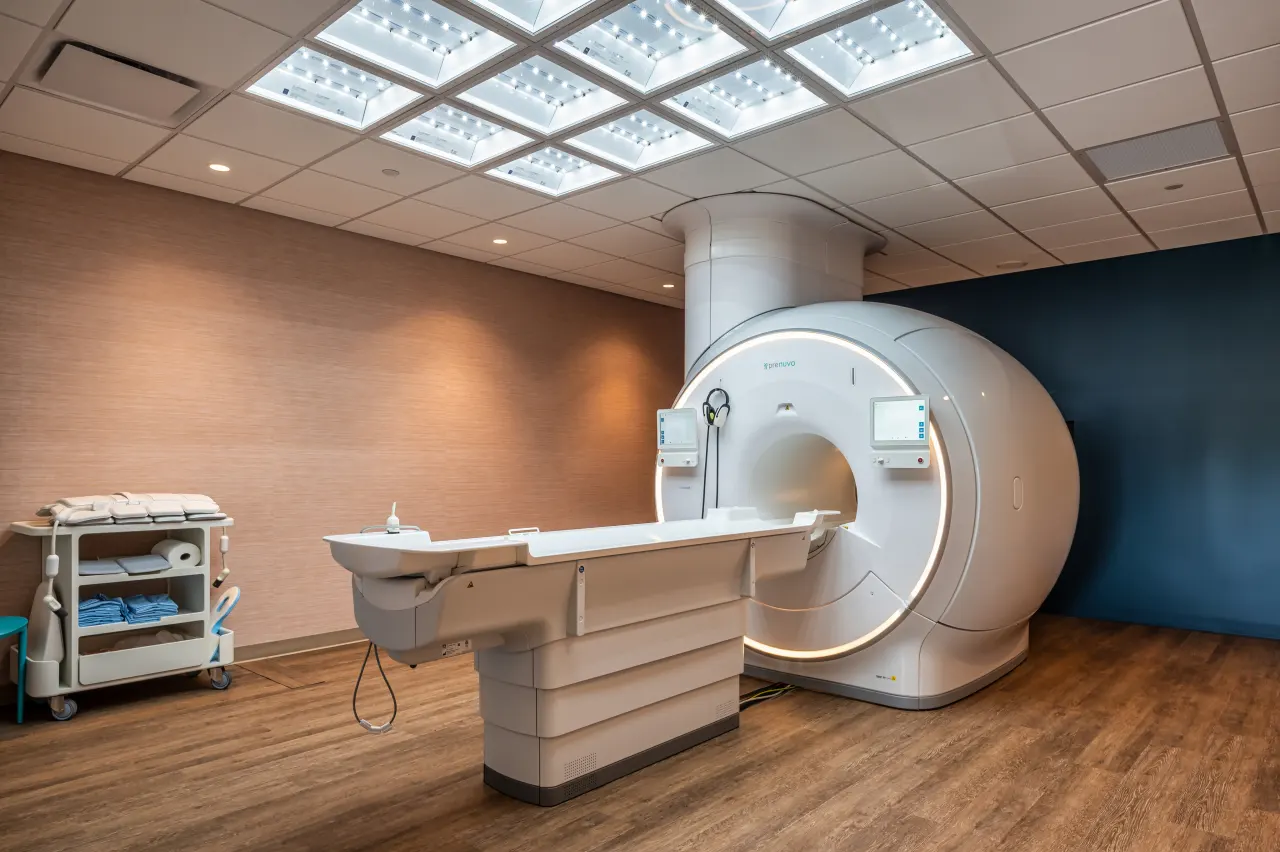
Prenuvo’s Whole Body Scan may provide information about possible signs of fatty liver, fibrosis or cirrhosis, including changes that bloodwork can’t detect. For an even more detailed picture of your health, Prenuvo’s Body Composition Analysis can supplement that info with measurements of liver fat, liver volume, and visceral fat.
Although none of these Prenuvo screenings are a replacement for medical evaluation and treatment, with this information you can be ready to have an informed conversation with your healthcare provider.
To learn more about the benefits of whole body MRI or other Prenuvo services, book a call with our Patient Services Team.