



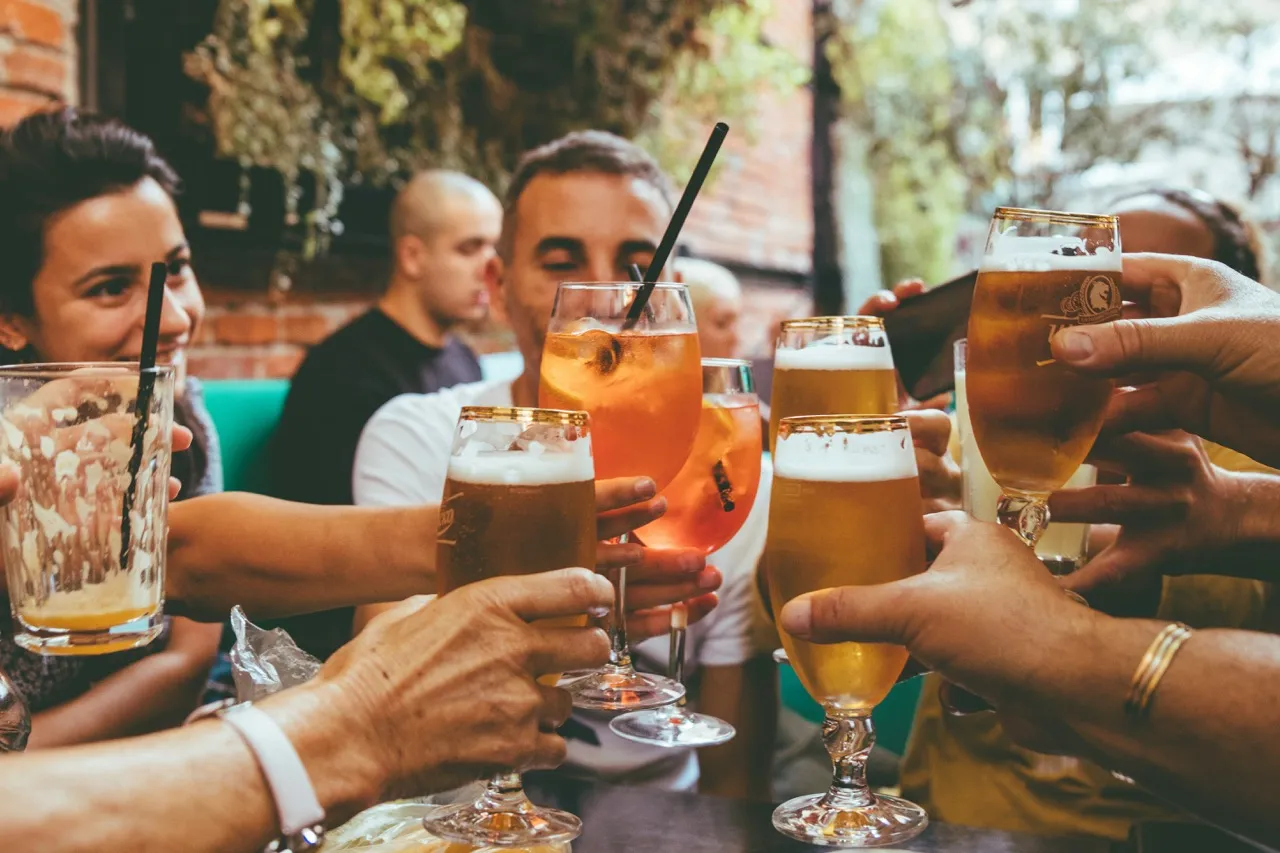
A cocktail at the end of a rough workweek. Beers with friends while you watch the latest football game. Popping champagne to celebrate a birthday. All of which can feel like part of the rhythm of everyday life. Alcohol has been part of human culture for thousands of years and is so familiar that many of us rarely stop to consider what’s in the glass. Yet alcoholic beverages have been classified as Group 1 carcinogens by the International Agency for Research on Cancer (IARC) since 1987.
But public awareness of alcohol as a cancer-causing agent is remarkably low. A nationally representative survey found that just 20.3% of U.S. adults recognized that wine increases cancer risk. Awareness was 24.9% for beer and 31.2% for liquor. More than half of respondents said they didn’t know how these beverages affected cancer risk. One in 10 believed wine decreased it.
So why does alcohol receive such a different cultural response from other substances known to cause cancer?
What is a Group 1 carcinogen?
The IARC classifies substances and exposures according to the strength of the evidence that they can cause cancer. Group 1 means there is sufficient evidence of causation in humans, which is the highest level of certainty. Tobacco smoking, asbestos, ultraviolet radiation, processed meat, outdoor air pollution and alcoholic beverages all appear in this category.
However, it’s important to note that not every Group 1 exposure carries the same level of risk. A classification describes the certainty of the evidence, not the amount of danger created by a particular dose, duration or route of exposure.
In the case of alcohol, IARC has classified alcoholic beverages, ethanol in alcoholic beverages and acetaldehyde associated with alcohol consumption as carcinogenic to humans.
When the body breaks down ethanol, it produces acetaldehyde, a toxic compound that can damage DNA. Alcohol may also contribute to cancer through oxidative stress, changes in folate metabolism, hormone-related effects, inflammation and other biological systems.
Alcohol consumption is an established cause of seven types of cancer:
- Mouth
- Throat
- Voice box
- Esophagus
- Liver
- Breast
- Colon and rectum
Generally, cancer risk increases as alcohol consumption rises. But the relationship is not limited to heavy drinking. Even relatively small amounts can increase the risk of certain cancers, particularly breast and esophageal cancer.
Throughout this article, a "drink" means one standard drink: about 14 grams of pure alcohol in the U.S. (13.45 grams in Canada)—roughly a 12-ounce beer, a 5-ounce glass of wine or a 1.5-ounce shot of spirits.
Why alcohol feels so normal
Alcohol has been woven into our lives for millennia, shaping the ways people gather, celebrate and connect. It’s been used in religious ceremonies, shared at communal gatherings, and offered as a gesture of hospitality across the world. In some ancient civilizations, beer was even considered a dietary staple as its fermentation could make it safer to drink than untreated water.
By the time Prohibition attempted to remove alcohol from American life, drinking was already deeply woven into the culture. Many Americans found ways to keep drinking, from visiting password-protected speakeasies and buying bootlegged liquor to making bathtub gin at home.
Today, this history still shapes how alcohol is understood. Most of us wouldn’t step into a room that has exposed asbestos, and cigarette smoking is at an all-time low. But when it comes to alcohol, another Group 1 carcinogen, it arrives in a sparkling glass as a toast, a nightcap, a date-night ritual or a reward after a difficult day. In the Ipsos U.S. Alcohol Consumption Tracker, 33% of respondents said they drink to relax or de-stress, making it the most commonly reported reason for drinking.
And on social media, the #winemom trope presents wine as an encouraged form of self-care after a long day. A 2021 study of Instagram posts found that wine was also portrayed as a way for mothers to connect around the pressures of parenting.
Research has also found an association between exposure to alcohol-related content and consumption among adolescents and young adults. So just like the content we encounter while doomscrolling can affect our brains and mental health, repeated messages about alcohol can eventually shape our perceptions of what’s normal.
Related: What doomscrolling does to your brain
How alcohol acquired its health halo
For years, alcohol was presented as having a health upside. Studies have said that it can benefit your heart, may reduce your risk of diabetes, and could potentially lead to a reduced risk of dementia. Red wine, in particular, became societally associated with health and longevity.
Much of that has weakened under closer scrutiny. In many of those studies, moderate drinkers were compared with a group who did not currently drink including a group of people who had stopped drinking because they were already unwell. That made non-drinkers look less healthy by comparison. Moderate drinkers were also more likely to exercise, eat well, earn more and have better access to medical care. The apparent benefits may have reflected differences between the groups rather than any effect of alcohol.
Present-day research gives a different take of the effects of alcohol on the body. The World Health Organization now says that “no level of alcohol consumption is safe for our health.” Risk generally increases as alcohol consumption rises, but in the WHO European Region, about half of alcohol-attributable cancers are linked to “light” or “moderate” drinking. To help visualize, WHO considers “light” and “moderate” as less than about two bottles of wine, 10 beers or 10 shots per week.

How alcohol affects the body
When most people think about alcohol’s effects on the body, they think of the liver first. That makes sense: the liver does much of the work of breaking alcohol down. But alcohol’s effects can extend to the brain, heart, muscles, digestive system, body composition and metabolism. So, what else in the body can that drink affect?
Related: What alcohol does to your body
The liver
The liver metabolizes about 90% of the alcohol absorbed into the body, exposing it to both alcohol and the toxic compounds produced as alcohol breaks down. The liver is also responsible for processing many medications and other substances, which can make alcohol-related damage especially consequential. Over time, drinking (especially in excess) can contribute to a range of liver problems, from fat accumulating in the liver to inflammation, scarring, cirrhosis and liver cancer.
Alcohol-associated liver disease often begins with steatosis, or fatty liver disease. This occurs when fat builds up in the liver and may not cause noticeable symptoms at first. The National Institute on Alcohol Abuse and Alcoholism notes that steatosis is present in about 90% of people who drink heavily. The condition can be reversible when identified early, but it can progress to fibrosis and cirrhosis, or permanent liver scarring, and potentially life-threatening complications including liver failure.
Drinking is also linked to liver cancer, and the threshold is lower than most people assume. A 2020 meta-analysis pooling 31 cohorts found that people who consumed one or more drinks per day (for women) or two or more (for men) had about 42% higher odds of developing liver cancer than people who drank little or none. Their odds of dying from liver disease of any kind were more than three times higher.
Most alcohol-related liver cancer develops on a background of cirrhosis, and the risk is amplified in people who also have hepatitis B or C or metabolic fatty liver disease, which is why anyone with an existing liver condition should treat even moderate drinking differently.
Beyond the liver
- Brain: Alcohol is a neurotoxin that can interfere with communication between brain cells and affect memory, balance, judgment and speech. Long term, it can affect your neurons and even change the brain’s size. In fact, Prenuvo’s internal research that looked at MRI scans from over 1,100 adults without alcohol use disorder found that people who self-reported consuming two or more drinks per day had greater brain atrophy than abstainers matched for age, sex, BMI, smoking and exercise.
- Heart: According to a scientific statement from the American Heart Association, consuming two or more drinks per day can increase blood pressure. And heavy drinking is associated with cardiovascular problems including high blood pressure, stroke, irregular heart rhythms, cardiomyopathy and heart failure.
- Muscles: Alcohol can make it harder for the body to build and maintain muscle. A 2023 review found that alcohol can interfere with the process your body uses to build new muscle and can also contribute to muscle breakdown. Heavy alcohol use over time may lead to muscle loss and weakness.
- Digestive system: Small amounts of alcohol may speed up stomach emptying, while larger amounts can slow it down and irritate the stomach lining. Chronic alcohol use is also a well-established risk factor for pancreatitis.
- Inflammation: Alcohol can increase gut permeability, allowing substances to cross the intestinal barrier and trigger inflammation. Chronic alcohol use may also raise levels of inflammatory proteins in the blood, contributing to inflammation in the liver, brain and other parts of the body.
- Visceral fat: Regular alcohol consumption may contribute to the accumulation of visceral fat, the deep type of abdominal fat that surrounds your internal organs. In an internal Prenuvo study, people who self-reported consuming two or more drinks per day had 15.6% higher visceral fat levels than matched abstainers. Higher levels of visceral fat have been linked to an increased risk of heart disease, type 2 diabetes, fatty liver disease and stroke.
- Metabolism: When you drink, your body prioritizes breaking down alcohol, which can temporarily slow down how much fat you burn. Heavy drinking can also interfere with blood sugar control and contribute to weight gain and type 2 diabetes.
Many alcohol-related changes are measurable before they are noticeable. Fat can accumulate in the liver, visceral fat can increase and blood pressure can rise without changing how you feel. Proactive health data can help close the gap between how healthy you feel and what is changing beneath the surface.
What proactive health can (and can't) tell you
You can feel healthy and still not fully know what’s happening inside your body. And when it comes to checking in, there is no single test or measurement that can tell you everything about your health. A holistic approach can bring together different pieces of information to provide you with a detailed picture.
That starts with your doctor: regular visits, honest conversations about how much you drink and about your family history, and the cancer screenings recommended for your age and risk. For the cancers most strongly linked to alcohol (mouth, throat, esophagus and colorectal) screenings include a dental and oral exam, endoscopy where indicated, and colonoscopy; for breast cancer, mammography. Routine bloodwork can pick up early signs of liver stress.
Imaging and body composition measurement can add to that picture. Prenuvo's Whole Body Scan can identify fat accumulation in the liver and some liver abnormalities, and a Body Composition Analysis measures visceral fat and muscle mass directly, which is something a scale or a BMI calculation can't do. The Whole Body Scan is not a screening test for cancers of the mouth, throat, esophagus, colon or breast, and it does not replace the screening your doctor recommends, but it can augment conventional screening.
Related: What you get in your Prenuvo Body Composition Analysis Report
None of these assessments can predict whether drinking will lead to a specific health problem. But they can help give you and your doctor more information about your current health and help track valuable changes over time.
Related: How you could potentially fix what a whole body scan may find

The rise of the sober-curious
As the haze around alcohol’s health effects begins to lift, more people are rethinking how much they drink. Younger generations appear to be leading this shift. Survey data shows that the percentage of U.S. adults under 35 who said they drink alcohol fell from 72% in 2001–03 to 62% in 2021–23.
Younger adults also report drinking less often and are less likely to overindulge when they do. Gen Zers are citing a variety of reasons for wanting to cut back on the booze, including better mental and physical health and the desire for a cleaner lifestyle.
Alcohol-free beverages are also becoming more and more prevalent, with the U.S. market for nonalcoholic beer, wine and spirits on the rise. Sales of no-alcohol beverages in the U.S. increased 29% in 2023 compared with the previous year. This includes a 30% increase for nonalcoholic beer and cider and an 18% increase for nonalcoholic wine. There is also a growing category of functional drinks marketed as a way to relax without the buzz.
This doesn't mean that everyone is giving up alcohol entirely. The sober-curious movement encourages people to be more intentional about their drinking by being mindful of how much, when and why they drink. As part of this, people may engage in challenges like Dry January and Sober October to give themselves an opportunity to take a break from alcohol without necessarily committing to sobriety long-term.
Choose what fills your cup
How much alcohol belongs in your life is a personal decision. Current research can offer useful information as you think about how drinking fits in alongside family history, current health and priorities.
If a closer look inside your body could help you understand where things stand or establish a baseline to track over time, our team is here to answer your questions.
To learn more about Prenuvo’s Whole Body Scan, Body Composition Analysis, bloodwork and other proactive health services, book a call with the Patient Services Team.