




Today, testosterone it’s one of the most talked about hormones in men’s health. Unfortunately, it’s also marred by a ton of misinformation that can lead men to take T who don’t need it, see the hormone as a quick fix, and ignore other causes of health problems.
It’s time to cut through the noise with a clear, evidence-based approach to explain the lifestyle and physiological factors that influence testosterone levels over your lifetime.
Testosterone’s role in your body
Both men and women have testosterone, but normal levels in men are 18 to 20 times higher than women.
In men, testosterone is produced and secreted by the Leydig cells in the testes and is needed for the proper function of several physiological processes:
- Keeping libido up
- Maintaining bone density
- Maximizing muscle mass and strength and physical function
- Regulating your mood
- Supporting blood vessel health and function for heart health
- Reducing chronic inflammation
- Aiding metabolic health
When and why testosterone declines
Age is not always kind to your testes, and as such, testosterone levels steadily decline starting around age 35. Once you’re in your 40s, total testosterone declines by about 1% every year.
Many factors affect a man’s testosterone levels, including weight, exercise, diet, alcohol use, sleep habits, and everyday chemicals you come in contact with, many of which are known hormone disruptors.
Once testosterone levels dip below 300 ng/dL, the American Urological Association (AUA) says that you can be diagnosed with testosterone deficiency. However, there’s evidence that higher cutoffs should be used to identify younger men (ages 20 to 44) with low testosterone.
While it’s clear that T naturally declines with age, lifestyle factors can accelerate or slow that decline. Here are key points to evaluate your body and your hormonal health:
1. Your body composition
No man needs to have bodybuilder proportions to be healthy, but a stereotypical "beer belly" can be a sign of low testosterone. That abdominal fat, or visceral fat, is an inflammatory type of fat that hugs your organs and harms your hormonal health. Research has found that men with higher amounts of visceral fat also had a lower level of total testosterone and a higher risk of testosterone deficiency compared to those who had less abdominal girth. There are several possible reasons why, but health experts point to the fact that excess fat tissue can release pro-inflammatory substances that inhibit hormone metabolism and reduce testosterone secretion.
Muscle mass, on the other hand, supports healthy T. In a study on nearly 5,000 men ages 20 to 59, there was a linear relationship between declining muscle mass and declining testosterone in men. (This relationship was not found in regards to muscle strength.)
If there’s a change you can make to start to shift your body composition, it’s focusing on resistance exercise and a protein-adequate diet in order to build muscle mass and support healthy testosterone levels.

2. Your sleep
Sleep is an oft-ignored health hack because it’s not as exciting as jumping into a pool of ice or sitting under infrared lighting. And yet, here it is, showing up on a list of the best ways to support your testosterone levels as a man.
First, it’s clear that pulling an all-nighter is a detriment to your testosterone levels. Your body’s circadian rhythm (its 24-hour clock) is involved in healthy testosterone metabolism. Slow-wave sleep (part of NREM sleep), in particular, is a hormonally active sleep stage, and not getting enough impacts testosterone secretion.
Although there’s conflicting evidence about how short-term sleep restriction affects T, you should aim for the recommended 7 to 9 hours of sleep per night. Excessive sleep (more than 9 hours per night) is also associated with reduced testosterone.
Research still has a ways to go before we fully understand how sleep impacts T and why. But, there are indirect reasons to stop scrolling and go to bed: sleep loss directs the body to pack on more abdominal fat and drives hunger (compounding weight gain), which—as we established above—can affect your testosterone.
3. Your activity levels
Want good T? Make physical activity a lifelong habit. Exercise helps with weight maintenance, muscle mass, bone health, strength, and testosterone levels. And while any activity is positive, you really have to push it to get a boost in your T. Research suggests that moderate to high-intensity exercise creates good stress that stimulates the endocrine system, increasing testosterone levels in the short-term. Strength training topped aerobic exercise for raising T and keeping it there for longer.
Another must-do: Get outside for that walk, run, or bike. Men who spend at least an hour outside daily are less likely to have low T.

4. Stress and cortisol
You will get stressed because life doles it out. That’s called acute stress—it comes on and then goes away. Chronic stress is different. It's the kind of long-term stress that lingers. Think burnout from a job, a bad relationship, a challenging family situation, or financial hardship. When left unchecked, chronic stress causes high cortisol levels, which suppresses T production.
There are many ways you can manage your stress levels, and whatever works for you is great. Keep in mind that stress comes from a variety of directions (physical, mental, emotional) accumulating into what’s called nervous system load. Getting a handle on your stress may require hitting one or multiple points.
5. Fundamental nutrition practices
If there’s one thing that’s obvious when it comes to diet and nutrition, it’s that diet and nutrition advice is often confusing, conflicting, and sometimes wild. Here’s what we do know: You’ll want to eat enough protein to maintain your muscle mass, since that’s needed for testosterone. Follow a Mediterranean diet that has plenty of fruits, vegetables, legumes, nuts/seeds, whole grains, fish, and is rich in healthy fats like olive oil and avocado. The style of eating is nutrient-rich, anti-inflammatory, and doesn’t go too low in fat (or calories), something that can also lower T levels.
6. Alcohol and environmental factors
Heavy alcohol use is linked to reduced testosterone. The booze triggers the body’s stress system and raises inflammation and oxidative stress, all of which suppress T. The biggest risk is in chronic alcohol abuse, though it’s worthwhile to examine your own drinking and how it affects your lifestyle habits. (For example: Are you more likely to overeat? Be more sedentary the next day?)
Related: This is what alcohol does to your body
On a separate note, researchers are paying more attention to how environmental factors like exposure to endocrine-disrupting chemicals (such as those in plastics) or air pollution affect testosterone and other hormones. Far more research is needed, but these toxins create damaging free radicals that impact the entire process of testosterone production and release.
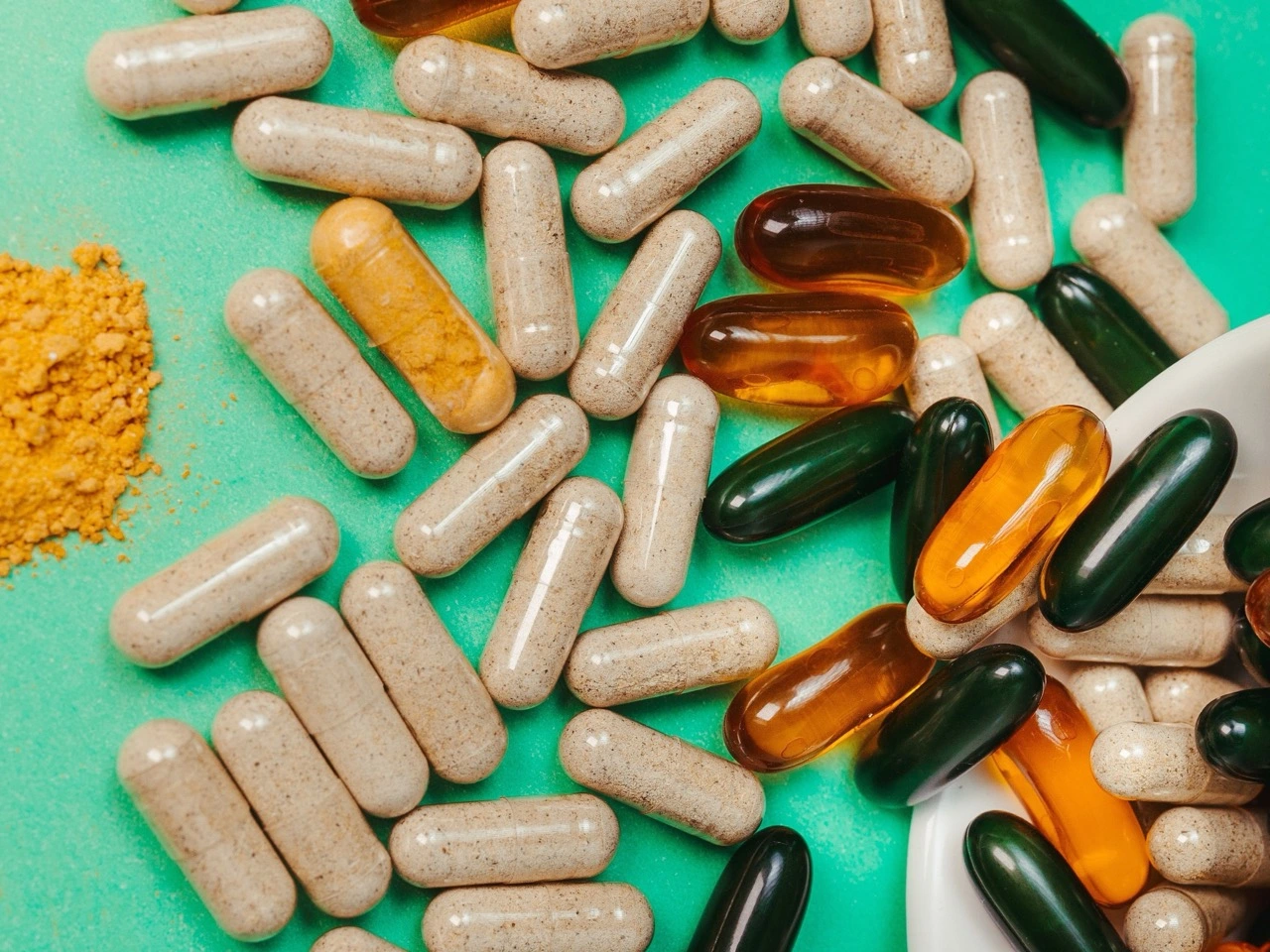
7. Supplements
Now, here’s where things get dicey. Many supplements marketed to boost testosterone range from weak evidence to actual snake oil. It’s possible that some could be effective in deficiency, but we don’t have proof yet. Lifestyle changes continue to be the best natural approach.
Know where you stand
For something that gets so much conversation, hormones can seem elusive. In fact, they’re more like silent messengers that can wreak havoc when things are off. Prenuvo’s Executive Membership includes advanced blood panels that help give you reliable intel on what your testosterone levels are doing, among many other biomarkers. In addition, having multiple points of data, such as a Body Composition Analysis to assess visceral fat and muscle mass, can be a telling option as a complementary part of a whole body MRI. Knowing the details of your body can help you step in to adjust your lifestyle to better your overall health and naturally support your testosterone.
To learn more about benefits of Prenuvo including whole body MRI, Body Composition Analysis, advanced blood panels, and a Membership, book a call with our Patient Services Team.