




Around 1.3 million Americans are living with a brain tumor and researchers estimate that 108,810 new cases will be diagnosed this year. While brain tumors are relatively uncommon, some people may have one without realizing it. This is because, while we typically associate brain tumors with signs like headaches or vision changes, some don't cause noticeable symptoms right away. Brain tumors may grow slowly or develop in areas of the brain that don't have as obvious an effect on function. This can make them go unnoticed until they grow large enough to press on nearby brain tissue, nerves, or other structures.
Related: Why brain health is more important than you think
Not all brain tumors are the same
There are over 100 different types of brain tumors. Most fall into one of two categories: high grade (fast-growing) or low grade (slow-growing). Some of the most common types include:
Meningiomas
They are the most common primary brain or central nervous system tumor and account for about one-third of all brain tumors. They arise from the meninges, the layers of tissue that surround the brain and spinal cord. Around 85% of meningiomas are noncancerous, but some can recur after treatment. They are diagnosed more frequently in women than men.
Metastatic tumors
Also referred to as a secondary brain tumor, these tumors develop when cancer spreads to the brain from another part of the body, such as the lungs, breast, or colon, where a primary cancer first develops. This can happen when cancer cells travel to the brain, most often through the bloodstream. Researchers have found that as more people are surviving primary cancers for longer periods of time, there has been an increase in metastatic lesions.
Gliomas
These tumors develop from glial cells, which support and protect nerve cells in the brain and spinal cord. Gliomas range from slow-growing to highly aggressive and include astrocytomas, oligodendrogliomas, and glioblastomas. Glioblastoma is the most common malignant primary brain tumor in adults (meaning it originates in the brain), making up about half of all malignant brain tumors in adults. They can occur at any age but are most common in older adults.
Related: How one man discovered a brain tumor during proactive screening
Pituitary adenomas
These develop in the pituitary gland, a pea-sized hormone-producing gland at the base of the brain. Most are noncancerous and grow slowly, but some can affect hormone production or press on nearby structures, causing symptoms such as vision changes or headaches.

Who is most at risk?
While a brain tumor can occur at any age, a primary brain tumor the median age at diagnosis is around 62. The risk of many brain tumors increases with age, though some types are more common in children and young adults. The cause of most brain tumors is not fully understood, but known factors that may increase risk include:
- Certain inherited genetic syndromes
- A personal history of cancer, which can increase the likelihood of metastatic brain tumors
- Having a weakened immune system
- Radiation exposure to the head is the best-established environmental risk factor for brain tumors.
- Research into other possible environmental exposures is ongoing.
The American Cancer Society notes that certain lifestyle changes, such as quitting smoking, can reduce one’s risk of cancer in general. But there are no known ways to prevent most primary brain tumors other than avoiding radiation exposure to the head. Most people diagnosed with a primary brain tumor have no known risk factors.
Brain tumors are typically discovered through two routes
Some people experience symptoms that prompt them to see a doctor for further evaluation. When symptoms do show up, they can include:
- Headaches
- Seizures
- Having difficulty speaking, thinking, or recalling words
- Numbness, weakness, or loss of movement on one side of body
- Balance issues or dizziness
- Difficulty hearing, smelling, or loss of smell
- Memory loss
- Confusion or disorientation
- Nausea or vomiting that is unexplained
- Muscle weakness or fatigue
- Vision changes
Some smaller brain tumors or tumors that appear in certain areas of the brain can occur without symptoms. And while most brain tumors are benign, some may still require monitoring or treatment if they grow, cause symptoms, or affect nearby structures. Smaller benign tumors can grow and damage healthy brain tissue or cause fluid buildup that can put pressure on the brain, all of which can negatively impact brain function. And some types of brain tumors can eventually spread through the spinal fluid to distant areas of the brain or the spine.
Brain tumors without symptoms are often identified during imaging that is performed for another reason. For instance, someone who undergoes an MRI after a head injury or to evaluate chronic headaches may unexpectedly learn they have a slow-growing brain tumor. They may also be identified during imaging that includes the brain, including a whole body MRI. When a finding is identified, a physician can determine whether additional evaluation or monitoring is appropriate.
Related: Busy Philipps shares her experience after a brain tumor was found following her Prenuvo scan
Classifying their severity
Most cancers are diagnosed by the stage that they are in, which determines the severity of the condition, with stage four being the worst, because the cancer has spread to distant parts of the body. Because a brain tumor is located in the brain, it has the potential to be serious or even life-threatening simply due to their location. Thus, physicians don’t stage brain tumors the way they do with many other cancers. They look at the following factors to determine a person’s outlook:
- A patient’s age
- The tumor’s grade
- The type of tumor
- Whether the tumor cells have certain gene mutations or other changes
- The tumor’s location and size
- How much of the tumor can be removed surgically
- If the tumor has spread to other parts of the brain or spinal cord
How proactive imaging can add context
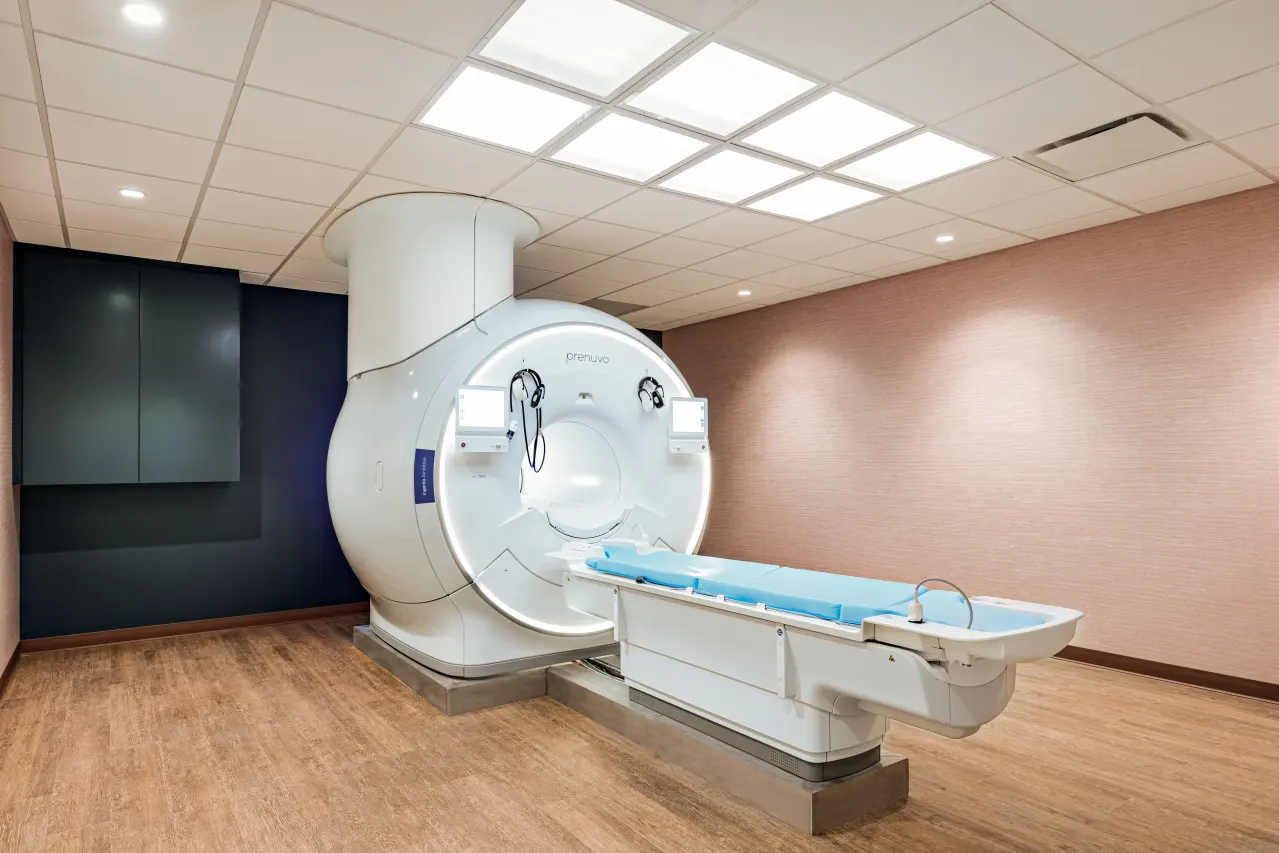
There is currently no recommended screening for brain tumors. They are most commonly diagnosed once symptoms have appeared that warrant further evaluation or found accidentally when testing for something else. In some cases, brain tumors may be identified during whole body MRI, including Prenuvo’s Whole Body Scan and Advanced Brain Health Scan.
While not every brain tumor requires immediate treatment, identifying one before symptoms develop may provide additional time for clinical evaluation. Depending on the tumor’s type, location, size, and growth pattern, a care team may recommend monitoring, additional imaging, specialist referral, or treatment.
What happens after there is a finding?
If a Prenuvo Whole Body Scan identifies a finding that may represent a brain tumor, the next step is to follow up with your physician. Depending on what is seen, your clinician may recommend additional imaging, which can include MRI with contrast, repeat MRI scans over time, or blood tests. You may also be referred to a neurologist, neurosurgeon, or neuro-oncologist. Some tumors are monitored with periodic imaging to make sure they aren't growing or causing symptoms. Others may require treatment such as surgery, radiation therapy, chemotherapy, targeted therapy, or a combination of treatments.
The next steps will depend on the tumor's type, size, location, and whether it is causing symptoms. Your care team can help determine the most appropriate treatment or monitoring plan based on those factors.
While an unexpected finding can be unsettling, many brain tumors are benign and treatable. And some may simply require ongoing monitoring rather than immediate treatment. Identifying a possible brain tumor before symptoms develop may provide additional time to discuss appropriate evaluation, monitoring, or treatment with a healthcare team.
Related: 9 science-backed strategies to help maintain a healthy brain
To learn more about Prenuvo’s Whole Body Scan and Advanced Brain Health Scan and how they can help support a more proactive approach to your health, book a call with a member of the Patient Services Team.